
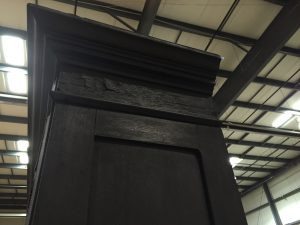
Here you can see the smoke and fire damage up close
A house fire, flood, or burst pipe can turn life upside down without warning. Once the immediate danger has passed, homeowners are often left assessing damage to their property, including furniture, antiques, and family heirlooms that may hold significant financial or sentimental value.
Although a damaged piece may look beyond repair, replacement is not always the only option. Foxwood Restoration provides professional furniture repair and restoration services for residential and commercial properties affected by fire, smoke, water, and other insurance-related losses.
Fire can damage furniture in several ways. Flames may burn or discolor the surface, while heat can cause wood to crack, warp, or separate at the joints. Even furniture that was not directly touched by the fire may be covered in soot or affected by lingering smoke odors.
Our experienced restoration specialists carefully evaluate each piece to determine the most effective repair process. Depending on the extent of the damage, restoration may include:
Our goal is to preserve as much of the original furniture as possible while returning it to a condition you can confidently use and display again.
Flooding, leaking roofs, burst pipes, and firefighting efforts can expose furniture to significant amounts of water. When the damage is addressed quickly, many wood and upholstered pieces may still be restored.
Water-damaged furniture may experience:
Foxwood Restoration uses time-tested repair and refinishing techniques to stabilize damaged furniture, correct cosmetic problems, and restore its original character whenever possible.
Some furniture can simply be replaced. Other pieces cannot.
An antique passed down through generations, a handcrafted dining table, or a favorite chair may carry memories that make it far more valuable than its replacement cost. Professional furniture restoration offers an alternative to discarding these meaningful pieces.
Our team includes skilled craftspeople, artists, upholsterers, and furniture repair specialists who take the time to understand the construction, materials, finish, and history of every item entrusted to us.
Each restoration project receives careful, individual attention. We do not take a one-size-fits-all approach to repairing damaged furniture.
Dealing with property damage can be stressful, especially when insurance paperwork, contractors, temporary housing, and damaged belongings all require your attention at the same time.
Foxwood Restoration has years of experience assisting with furniture restoration projects related to insurance losses. We can evaluate damaged pieces, document the necessary repairs, and provide information that may help during the claims process.
We have experience working with insurance providers including:
Coverage and claim requirements vary by policy and insurance provider. However, our team can help explain the furniture restoration process and provide available documentation for your project.
We may also be able to safely store your furniture while repairs are completed and your home or business is being restored.
In addition to repairing furniture damaged by fire, smoke, or water, Foxwood Restoration offers a complete range of furniture restoration services, including:
Whether your furniture has been damaged by an unexpected disaster or simply needs expert attention after years of use, our team can help restore its strength, beauty, and function.
Foxwood Restoration has proudly served homeowners, businesses, designers, and insurance professionals throughout Southeast Michigan for more than 20 years.
Our service area includes communities throughout:
From individual family heirlooms to larger residential and commercial restoration projects, we approach every piece with the patience, skill, and care it deserves.
After a fire or water loss, restoring your home can feel overwhelming. Saving a cherished piece of furniture may be one small but meaningful step toward regaining a sense of normalcy.
Before throwing away fire-damaged, smoke-damaged, or water-damaged furniture, speak with the restoration specialists at Foxwood Restoration. The piece you thought was lost may still be repairable.
Contact Foxwood Restoration today to schedule a free consultation and learn more about your furniture repair and restoration options.
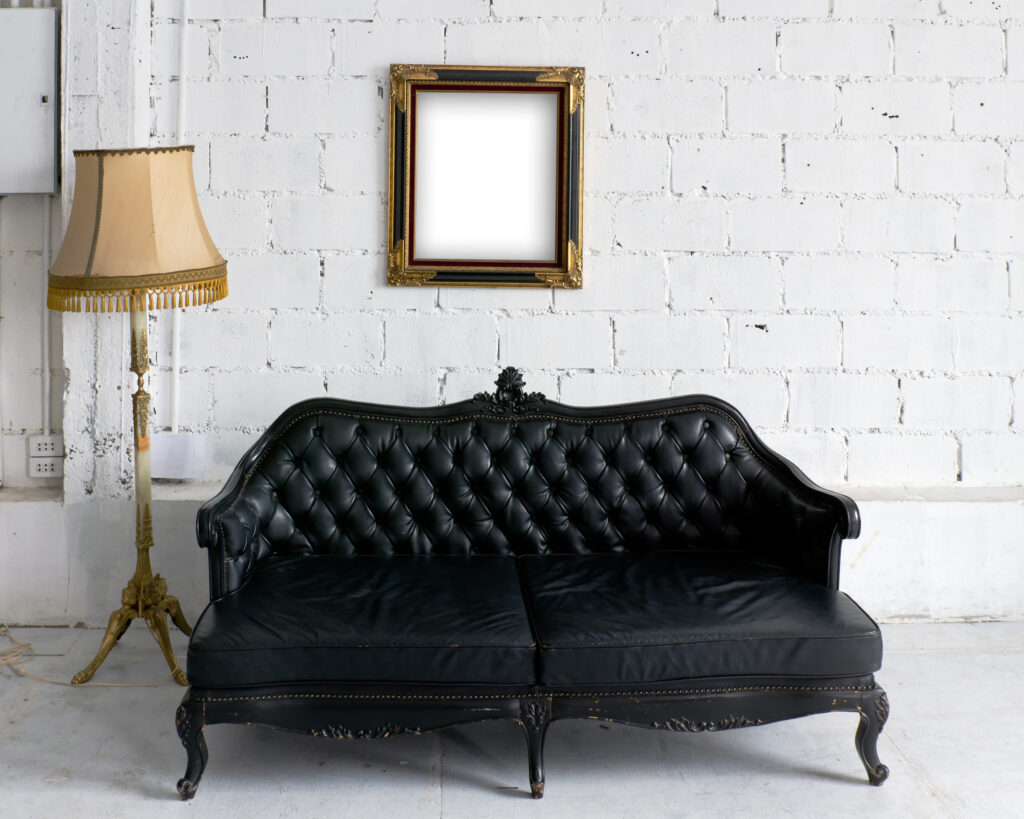
Walk into almost any large retail store, and you will see rows of stylish furniture at tempting prices. The designs look fresh, and the price tags suggest a great deal. But bring those pieces home, and the truth usually emerges within a few short years. You start noticing wobbly joints, peeling finishes, sagging cushions, and particleboard that begins to crumble.
Compare that to antique and vintage pieces. Many of these items are 50, 100, or even 150 years old, yet they remain structurally sound. At Foxwood Restorations in Brighton, Michigan, we have spent over 30 years bringing these enduring treasures back to life.
We see firsthand how older pieces outshine their newer counterparts. Here is why modern furniture simply cannot compete with the classics, and why restoring your existing pieces is the smarter, more rewarding choice.
The starkest difference between antique furniture and modern fast furniture lies in the materials. Traditional furniture makers prioritized longevity. They used solid hardwoods like oak, walnut, mahogany, and cherry. These woods offer incredible density and strength, allowing them to bear weight and resist damage over decades of daily use.
Early craftsmen also relied on time-tested joinery techniques. Dovetail joints and mortise-and-tenon connections create rock-solid structural integrity. These methods interlock the wood itself, rarely relying on heavy adhesives or metal fasteners to hold a piece together.
Modern manufacturing takes a very different approach. To keep costs low and production speeds high, contemporary furniture heavily relies on:
These items look beautiful on the showroom floor. However, they typically begin failing after five to eight years of normal use. Engineered wood cannot handle moisture well, and thin veneers chip easily. Many antiques we restore at Foxwood have already survived generations of family dinners, pets, and changing Michigan seasons. With a little professional care, they are ready for many more.
Antique furniture was built for real life. Because craftsmen used solid wood, these items can be repaired, sanded, and refinished repeatedly. If a tabletop gets scratched, we can smooth it out. If a chair leg loosens, we can tighten and secure it. Broken parts can be custom-recreated, and tired upholstery can be completely refreshed.
That inexpensive new dining set offers no such flexibility. Once the factory joints loosen or the thin laminate chips away, you cannot sand it down. The piece is often destined for the curb.
Restoring quality pieces extends their life dramatically. While professional restoration requires an upfront investment, it saves you significant money in the long run. You avoid the endless cycle of buying and replacing cheap furniture every few years, all while keeping a far superior product in your home.
Restoring your antique furniture is one of the greenest choices you can make for your home. Vintage and antique pieces carry a dramatically lower carbon footprint. In fact, some studies suggest that preserving an older piece has a carbon footprint up to 16 times lower than manufacturing a new one.
By choosing restoration over replacement, you take direct action to protect the environment. You keep high-quality, perfectly good materials out of local landfills. You also reduce the heavy demand for newly harvested wood, synthetic plastics, and the immense manufacturing energy required to run global supply chains.
Additionally, older furniture has already finished off-gassing. Many newly manufactured pieces release volatile organic compounds (VOCs) from fresh glues, synthetic foams, and chemical finishes into your home’s air. Restoring a classic piece keeps your indoor air cleaner. Our services give your existing furniture a fresh, updated look without the heavy environmental toll of buying new.
No flat-pack box from a warehouse can replicate the story behind your family heirlooms. Think about your grandmother’s rocking chair, your parents’ first dining set, or that antique bench you found at an estate sale. These pieces carry history, warmth, and a distinct personality that modern, mass-produced furniture simply lacks.
Restoration allows you to hold onto those precious memories while making the piece beautiful and functional for your current daily life. You do not have to choose between a sentimental attachment and a beautiful home. Our clients often tell us that their restored heirloom quickly becomes the focal point of their room and a major conversation starter for guests.
When you decide to preserve your furniture, you need an expert touch. With over 30 years of experience serving Brighton, Ann Arbor, and the surrounding areas—including Livingston, Washtenaw, and Oakland Counties—Foxwood Restorations provides unparalleled craftsmanship.
We specialize in a comprehensive range of restoration services, including:
We treat every single piece with immense care and respect. It does not matter if you bring us a deeply cherished family heirloom or a well-made vintage thrift find. Our detailed, reliable work is designed to make your furniture look and perform better than it has in decades.
Do not settle for disposable furniture that demands replacing every few years. Invest in what you already own. Preserve the pieces that were built to last for generations, and enjoy the unmatched beauty of real, solid wood craftsmanship.
That old wooden chair in your dining room or the weathered bench on your porch isn’t just furniture — it’s a piece of your family’s story. Maybe it’s where your grandparents shared holiday meals or where your kids learned to tie their shoes. But after decades (or even centuries) of use in Michigan homes, even the most cherished heirlooms start to show their age.
At Foxwood Restorations in Brighton, we’ve spent over 30 years bringing heirlooms like yours back to life for families across Washtenaw, Livingston, and Oakland counties. Every week, we meet homeowners who’ve tried a quick DIY fix — only to realize the problem runs deeper than a sand-and-stain or fabric spray can handle.
Here are five clear signs your heirloom chair or bench needs more than a DIY touch-up — and why trusting the professionals is the smarter (and often more cost-effective) choice.
Does your chair rock when you sit, or does the backrest lean a little too far? That telltale “give” is a sign of trouble.
Why DIY won’t cut it: A few screws or glue from the hardware store won’t fix weakened mortise-and-tenon joints or dried-out dowels. Michigan’s humid summers and dry winters cause wood to expand and contract, breaking original bonds. Quick fixes often fail within months and can even cause further damage.
What we do: We carefully disassemble the piece, re-glue it using traditional hide glue or modern epoxies, and reinforce weak areas. Many of the chairs in our gallery started out wobbly — now they’re rock-solid and ready for another century of use.
Hairline cracks are normal with age, but if you can slide a fingernail into them or see splits along the legs or seat rails, it’s time to stop.
Why DIY won’t cut it: Filling cracks with wood putty might seem like a quick fix, but it often shrinks or reopens over time. Deep splits, insect damage, or checks from years of porch exposure require professional attention.
What we do: We clean out the damage, stabilize the wood with consolidants, and patch it with materials that match the original grain and color. The transformations in our gallery show just how dramatic the results can be.
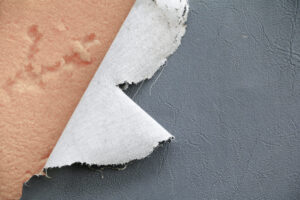
If the varnish or paint is flaking off or the surface looks like dried mud with deep cracks, it’s time for a refresh.
Why DIY won’t cut it: Store-bought stripping chemicals can be too harsh, especially on detailed carvings or curved arms. One wrong move can strip away the original patina or even damage the wood.
What we do: Using controlled stripping methods, we carefully remove old finishes, hand-sand the surface, and apply new finishes (oil, lacquer, or custom-blended paint) that honor the piece’s era. The result? A finish that looks like it came straight out of the 1800s.
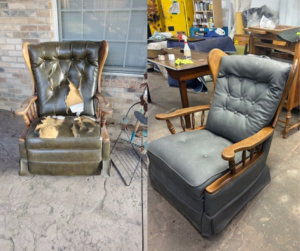
Does the seat sink when you sit? Are springs poking through, or is the fabric too far gone for spot cleaning?
Why DIY won’t cut it: Reupholstering isn’t just about stapling on new fabric. The webbing, padding, springs, and foam all need to be replaced properly, or the chair will sag again in no time. Vintage pieces often require period-appropriate materials, too.
What we do: We strip the upholstery down to the frame, rebuild the support system, and use durable, stain-resistant fabrics that are perfect for Michigan families and pets. Check out our gallery for some incredible “before and after” transformations.
Is one side of your chair sun-bleached while the other still shows its original tone? Or has the entire finish dulled to a chalky gray?
Why DIY won’t cut it: Matching old wood tones with store-bought stains is nearly impossible, especially for antiques with layered finishes. Sun-damaged pieces require expert color blending to restore their original beauty.
What we do: We custom-blend colors on-site (a skill we’ve honed over 30 years) to ensure every repaired section seamlessly matches the original. Many of the porch benches we’ve restored looked hopeless after Michigan winters — now they look brand new.
If your heirloom shows even two of these signs, it’s time to let the experts step in. Professional restoration often costs less than replacing a true heirloom — and it preserves the priceless family history tied to the piece.
Located in Brighton, we proudly serve families across Washtenaw, Livingston, and Oakland counties. Whether it’s a 100-year-old dining chair or a teak bench that’s weathered too many summers, we have the tools, expertise, and passion to bring it back to life. Call 810-220-0123 or Contact us today!
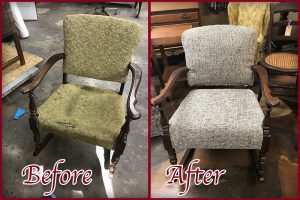
Scandinavian style chairs have long been celebrated for their timeless elegance, clean lines, and functional design. Originally crafted with a focus on simplicity and utility, these chairs remain a popular choice for both antique enthusiasts and modern design lovers. One iconic example is the chair designed by Alvar Aalto in 1942, which epitomizes the Scandinavian ethos of blending form and function. While Scandinavian designers often favored plain, dark fabrics for upholstery, the minimalist frame of these chairs allows for versatility—virtually any color or pattern can complement their design.
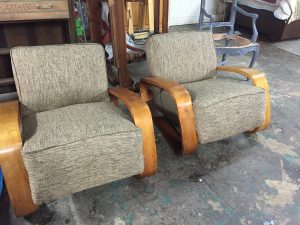
Restoring and upholstering these chairs is truly a labor of love, requiring skill, precision, and an appreciation for their craftsmanship. At Foxwood Restoration, we specialize in breathing new life into these cherished pieces, ensuring they retain their original charm while meeting modern comfort standards.
At Foxwood Restoration, we take pride in using only the finest materials to restore Scandinavian chairs to their former glory. The cushions are crafted with original tied springs and high-density, high-quality foam, providing both form and a firm yet comfortable feel. This attention to detail ensures that the chairs not only look stunning but also offer exceptional comfort for years to come.
When it comes to foam quality, not all products are created equal. While average foams can be found at everyday fabric stores, they lack the durability and resilience needed for antique furniture. High-quality, high-density foam—like the kind we use at Foxwood Restoration—is essential to preserving the integrity of your prized chairs. Using subpar materials can compromise the structure and aesthetic of these timeless pieces, which is why trusting professionals is key.
The history of Scandinavian furniture is as fascinating as the designs themselves. During the postwar period, Scandinavian countries faced significant challenges, including a shortage of raw materials and strict government restrictions on furniture production. In 1942, the government introduced the “Utility” brand, which offered simple yet well-designed furniture to meet the demand for new furnishings. While Utility furniture was functional and well-proportioned, it lacked the decorative appeal many homeowners desired.
By 1948, as restrictions eased and production expanded, more elaborate period styles began to re-emerge. However, the influence of Utility furniture left a lasting legacy, introducing modern design principles into homes and paving the way for the enduring popularity of Scandinavian style.
Scandinavian chairs are renowned for their strong wooden frames, smooth lines, and elegant curves—hallmarks of skilled craftsmanship. Over time, however, even the sturdiest chairs can show signs of aging, wear, and tear. That’s where expert restoration comes in.
At Foxwood Restoration, we understand the unique needs of Scandinavian furniture. Whether your chairs require wood repairs, reupholstery, or both, our team of professionals is here to help. We use traditional techniques and premium materials to ensure your chairs are restored with care and precision. From repairing delicate woodwork to selecting the perfect fabric for upholstery, we treat every piece as if it were our own.
Located in Howell, MI, and serving the surrounding areas like Brighton, Foxwood Restoration is your trusted partner for furniture repair and upholstery. Our team of skilled craftsmen is passionate about preserving the beauty and functionality of your antique furniture. Whether you’re looking to restore a single chair or an entire set, we’re here to bring your vision to life.
Don’t let your cherished Scandinavian chairs languish in disrepair. Visit our shop to speak with our experts, or contact us online to learn more about our wide range of furniture repair services. Let us help you preserve the timeless elegance of your Scandinavian furniture for generations to come.

In a world where trends fade as quickly as they appear, the true value of timeless furniture lies in the stories it tells and the memories it holds. That antique chair from your grandmother or the family sofa that’s seen countless celebrations—these aren’t just pieces of furniture. Rest assured, they are pieces of your history. At Foxwood Restorations, we believe such treasures deserve more than a dusty corner in the attic—they deserve a vibrant second life. With over 30 years of expertise, our skilled artisans are passionate about restoring your heirlooms with care, precision, and unmatched craftsmanship.

At Foxwood Restorations, we provide a complete range of services to address all your furniture restoration needs. This all takes place within our spacious, state-of-the-art facility. Our team of skilled artisans specializes in bringing your cherished pieces back to life with precision and care. Here’s what we offer:
Our expert craftspeople treat every piece as if it were their own, valuing the sentimental significance just as much as you do. We cherish your memories and help you preserve a piece of your family history.
Residents across Washtenaw, Livingston, and Oakland Counties trust Foxwood Restorations for their furniture restoration needs. Conveniently located in Brighton, MI, we make the process seamless by offering reliable pick-up and delivery services.
Whether you’re in Novi, Ann Arbor, Okemos, Hartland, White Lake, Howell, Saline, Chelsea, Ypsilanti, West Bloomfield, or right here in Brighton, our team is ready to assist. No need to stress over transporting large or fragile pieces—we’ll handle everything with the utmost care, ensuring your treasured furniture arrives safely and returns beautifully restored.
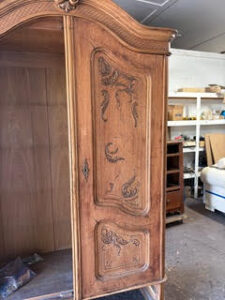
At Foxwood Restorations, we pride ourselves on delivering unmatched quality and personalized service. What sets us apart?
Ready to bring your furniture back to life?
Preserve the past and enhance the present—let Foxwood Restorations help you cherish those irreplaceable memories for years to come.