
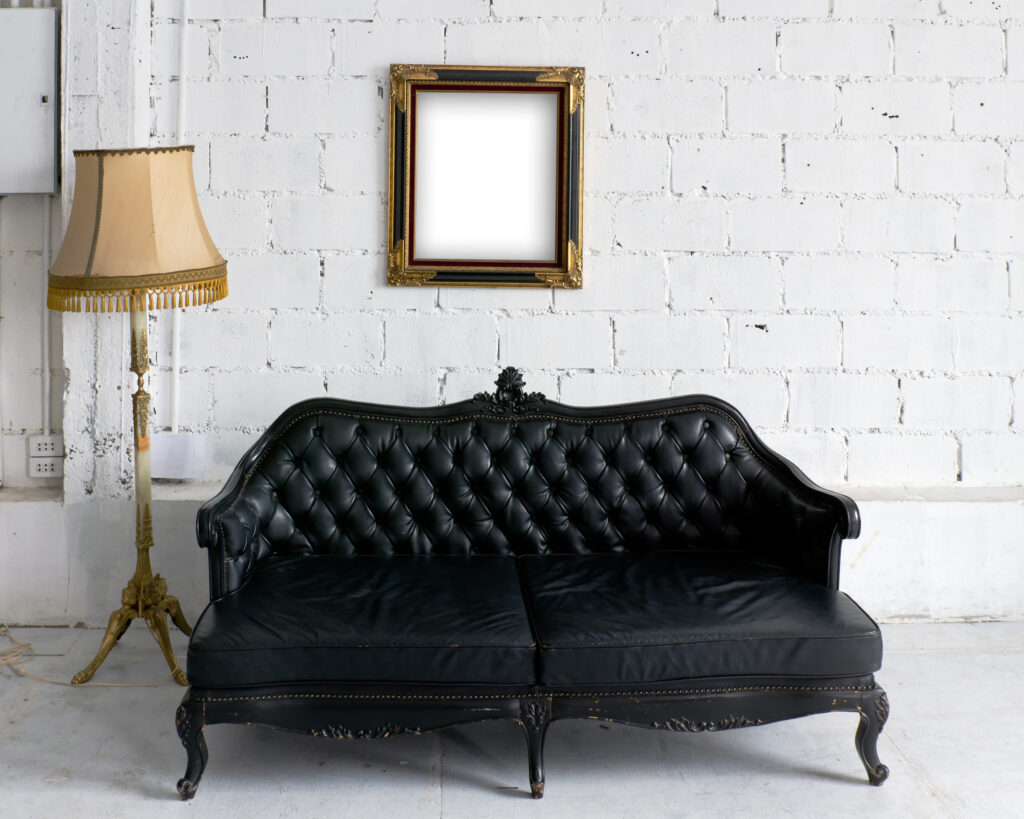
Walk into almost any large retail store, and you will see rows of stylish furniture at tempting prices. The designs look fresh, and the price tags suggest a great deal. But bring those pieces home, and the truth usually emerges within a few short years. You start noticing wobbly joints, peeling finishes, sagging cushions, and particleboard that begins to crumble.
Compare that to antique and vintage pieces. Many of these items are 50, 100, or even 150 years old, yet they remain structurally sound. At Foxwood Restorations in Brighton, Michigan, we have spent over 30 years bringing these enduring treasures back to life.
We see firsthand how older pieces outshine their newer counterparts. Here is why modern furniture simply cannot compete with the classics, and why restoring your existing pieces is the smarter, more rewarding choice.
The starkest difference between antique furniture and modern fast furniture lies in the materials. Traditional furniture makers prioritized longevity. They used solid hardwoods like oak, walnut, mahogany, and cherry. These woods offer incredible density and strength, allowing them to bear weight and resist damage over decades of daily use.
Early craftsmen also relied on time-tested joinery techniques. Dovetail joints and mortise-and-tenon connections create rock-solid structural integrity. These methods interlock the wood itself, rarely relying on heavy adhesives or metal fasteners to hold a piece together.
Modern manufacturing takes a very different approach. To keep costs low and production speeds high, contemporary furniture heavily relies on:
These items look beautiful on the showroom floor. However, they typically begin failing after five to eight years of normal use. Engineered wood cannot handle moisture well, and thin veneers chip easily. Many antiques we restore at Foxwood have already survived generations of family dinners, pets, and changing Michigan seasons. With a little professional care, they are ready for many more.
Antique furniture was built for real life. Because craftsmen used solid wood, these items can be repaired, sanded, and refinished repeatedly. If a tabletop gets scratched, we can smooth it out. If a chair leg loosens, we can tighten and secure it. Broken parts can be custom-recreated, and tired upholstery can be completely refreshed.
That inexpensive new dining set offers no such flexibility. Once the factory joints loosen or the thin laminate chips away, you cannot sand it down. The piece is often destined for the curb.
Restoring quality pieces extends their life dramatically. While professional restoration requires an upfront investment, it saves you significant money in the long run. You avoid the endless cycle of buying and replacing cheap furniture every few years, all while keeping a far superior product in your home.
Restoring your antique furniture is one of the greenest choices you can make for your home. Vintage and antique pieces carry a dramatically lower carbon footprint. In fact, some studies suggest that preserving an older piece has a carbon footprint up to 16 times lower than manufacturing a new one.
By choosing restoration over replacement, you take direct action to protect the environment. You keep high-quality, perfectly good materials out of local landfills. You also reduce the heavy demand for newly harvested wood, synthetic plastics, and the immense manufacturing energy required to run global supply chains.
Additionally, older furniture has already finished off-gassing. Many newly manufactured pieces release volatile organic compounds (VOCs) from fresh glues, synthetic foams, and chemical finishes into your home’s air. Restoring a classic piece keeps your indoor air cleaner. Our services give your existing furniture a fresh, updated look without the heavy environmental toll of buying new.
No flat-pack box from a warehouse can replicate the story behind your family heirlooms. Think about your grandmother’s rocking chair, your parents’ first dining set, or that antique bench you found at an estate sale. These pieces carry history, warmth, and a distinct personality that modern, mass-produced furniture simply lacks.
Restoration allows you to hold onto those precious memories while making the piece beautiful and functional for your current daily life. You do not have to choose between a sentimental attachment and a beautiful home. Our clients often tell us that their restored heirloom quickly becomes the focal point of their room and a major conversation starter for guests.
When you decide to preserve your furniture, you need an expert touch. With over 30 years of experience serving Brighton, Ann Arbor, and the surrounding areas—including Livingston, Washtenaw, and Oakland Counties—Foxwood Restorations provides unparalleled craftsmanship.
We specialize in a comprehensive range of restoration services, including:
We treat every single piece with immense care and respect. It does not matter if you bring us a deeply cherished family heirloom or a well-made vintage thrift find. Our detailed, reliable work is designed to make your furniture look and perform better than it has in decades.
Do not settle for disposable furniture that demands replacing every few years. Invest in what you already own. Preserve the pieces that were built to last for generations, and enjoy the unmatched beauty of real, solid wood craftsmanship.
 Antique furniture holds a timeless charm, not just for its design but for the quality of materials used in its creation. Unlike modern furniture, which often relies on mass production, antique pieces were crafted with care, using the finest woods available at the time. These materials were chosen not only for their durability but also for their aesthetic and functional qualities. The type of wood used in an antique piece can reveal fascinating details about its era and the craftsmanship behind it.
So, what types of wood were commonly used in antique furniture? And what can these woods tell us about the history and value of your cherished piece? Let’s explore.
One of the defining features of antique furniture is the wood itself. For centuries, skilled craftsmen sought out the highest-quality materials to create furnishings that would stand the test of time. While many types of wood were used, a select few became staples in antique furniture making. These include:
Each of these woods carries its own historical and structural significance. Let’s take a closer look at some of the most notable ones.
Mahogany, a hardwood native to South Africa and the West Indies, gained immense popularity in Britain during the mid-18th century before spreading across Europe. Known for its rich, reddish-brown hue and exceptional durability, mahogany became a favorite for crafting elegant, long-lasting furniture.
Renowned for its strength and sturdiness, oak was a go-to choice for furniture makers, particularly during the Georgian Era. It was often used for carcass construction and drawer linings. Oak saw a resurgence in popularity during the Victorian period, further cementing its place in furniture history.
Rosewood, prized for its deep, dark color and distinctive fragrance, was initially used for veneer and inlaid decoration before the early 19th century. Its unique qualities made it highly sought after, but its popularity led to overharvesting, pushing the species to the brink of extinction.
Understanding the type of wood used in your antique furniture is crucial when it comes to restoration. Each wood type requires specific care to preserve its beauty and structural integrity. At Foxwood Furniture Restoration, we specialize in bringing antique pieces back to life. Whether your furniture has suffered from wear and tear, water damage, or even fire damage, our expert team is here to help.
At Foxwood, we combine traditional craftsmanship with modern techniques to restore your antique furniture to its original glory. Our services include:
Your antique furniture deserves the best care, and we’re here to provide it.
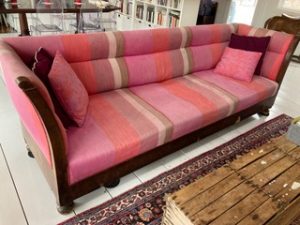
What makes a piece of furniture valuable? Recently, Foxwood restored a beautiful Italian heirloom family couch at our Ann Arbor location. While furniture can depreciate over time, its value can vary depending on various factors. So, what makes furniture valuable?
Age tends to depreciate the value of items. Most of the time, this applies to furniture. However, there are some exceptions. As a rule of thumb, any piece of furniture that passes through two generations in fair condition starts increasing in value. What defines a generation? For Foxwood, a generation is loosely defined as 20 to 25 years. So, if a piece of furniture was made in the seventies or eighties, it started increasing in value in 2020! This value is also because furniture from that time period is of better quality than anything made today.
It might be hard to believe, but most furniture today is not made to a high standard. At least, not compared to a piece of furniture made 20 years ago. In fact, furniture made over 20 years ago is far superior to the furniture that you can find in the store today. Furniture can have tremendous value based on its materials, age, and creator. Furthermore, value can vary depending on the quantity and availability of a piece. Just like supply and demand, if there is less available then it’s going to be more valuable. It is also important to know that retail value does not translate as auction value. So, what makes a piece of furniture valuable is reliant on many factors. However, without a doubt, any piece of furniture over 20 years old is worth restoring!
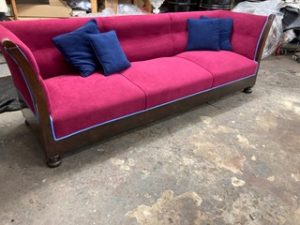
Since 1994, Foxwood Furniture Restoration has specialized in furniture restoration including refinishing, repairs, stripping, sanding, and upholstery. We have a variety of services including smoke, water, and fire-damaged furniture repair! Foxwood has a professional and experienced team that is ready to tackle any job! So, contact Foxwood today for your furniture repairs and restorations.
Check out our blog for more interesting articles!
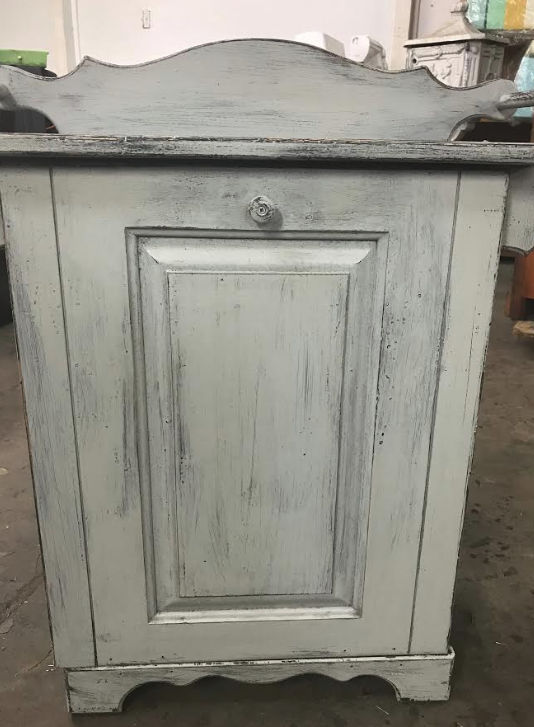
Are you looking for a furniture piece with character? A newly popularized furniture trend is the aged painted or wood with a distressed finish. In a state as full of history as Michigan, nothing is more beautiful than a distressed piece of furniture. Foxwood Furniture Restorations embraces this beauty.
A distressed finish, also known as aged painting, is used to make new furniture appear vintage and aged. In addition, distressed finishes are often created by making the paint seem worn. Aged painting is used to create a worn appearance to a new piece of furniture in colors besides the natural wooden coloring with brief glimpses of the original wooden base.
There are several distressing and aging techniques that Foxwood Restorations can do to make your furniture piece as beautiful as possible. Also, keep in mind that each distressed piece is different than the next. Each piece is unique. One particular distressing technique is called the wet-distressing technique. This is a popular technique when layering colors as it creates a naturally worn effect. Another popular technique is the dry-distressing technique which is best to use with single colors with a desire to expose the natural wooden layer. Lastly, the resist technique is used to create a chipping paint appearance meant to show antiquity.
If you are in or around Livingston County, you understand the value of Michigan’s history. Those living around the University of Michigan can practically feel the school’s history oozing from its foundations. Opened in 1817, The University of Michigan causes Ann Arbor to soak in past history. Foxwood Restorations will fix up student’s furniture for the best price whether that be repairs, distressing wooden furniture, or age painting furniture, Foxwood Restorations can do it all!
If you are interested in getting a new look for your furniture or getting a piece repaired, contact us! We are interested in bringing a new character to your house or school dorm! Finally, get your furniture repaired by the best, come to Foxwood Restorations. We cannot wait to hear from you!