
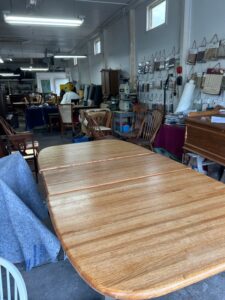
At Foxwood Restorations, we specialize in professional tabletop restoration and refinishing services that bring your antique or damaged furniture back to life. Located in Brighton, MI, we serve clients across Livingston, Oakland, and Washtenaw Counties with expert antique furniture repair and restoration. Whether your tabletop has suffered from years of wear, scratches, or fading, our craftsmen use time-tested techniques to deliver stunning results that last for generations.
Tabletop restoration is a meticulous process designed to preserve the integrity and beauty of your furniture. Here’s how we handle it at Foxwood:
This process not only enhances the aesthetic appeal but also extends the life of your piece by up to 25 years or more.
The type of wood plays a crucial role in the outcome of your tabletop refinishing. High-quality natural woods like oak, mahogany, walnut, and maple respond exceptionally well to restoration. These materials can be refinished multiple times, making them ideal for heirloom pieces.
In contrast to modern, mass-produced furniture (which often deteriorates quickly), antique wood from European or early American craftsmanship holds up beautifully. Europe has a long tradition of restoring and reusing furniture—spanning thousands of years—while America’s “throw-away” culture has led to a loss of many valuable pieces. At Foxwood, we encourage preserving these items through expert furniture refinishing services, as the demand for durable, restored antiques is on the rise.
Pro Tip: If your tabletop is made from teak or other exotic woods, we adjust our techniques to highlight their unique grains and colors. Internal Link: Learn more about types of woods used in antique furniture.
Tables are often restored in parts to save costs and focus on high-wear areas. The tabletop typically sees the most action—from spills to scratches—while the pedestal might remain in good condition. However, if the pedestal shows signs of damage (e.g., from shoe kicks, pet scratches, or fading), we recommend including it for a seamless match.
Restoring the pedestal separately or alongside the top ensures color consistency and overall harmony. This approach can also extend to matching chairs for a complete set.
By opting to restore only what’s necessary, you can keep costs down without compromising quality.
All table leaves should be refinished alongside the main top to avoid color mismatches. Leaves are often stored away, leading to less wear and a different aging process. This can result in slight variations in tone or finish. At Foxwood, we treat leaves with the same care during the tabletop restoration process, ensuring everything blends perfectly when expanded.
If you have questions about tabletop restoration in Brighton, MI, or need help with any antique furniture repair, contact us today!
Posted In: Restoration
Tags: refinishing natural wood, restoring a tabletop, tabletop restoration process